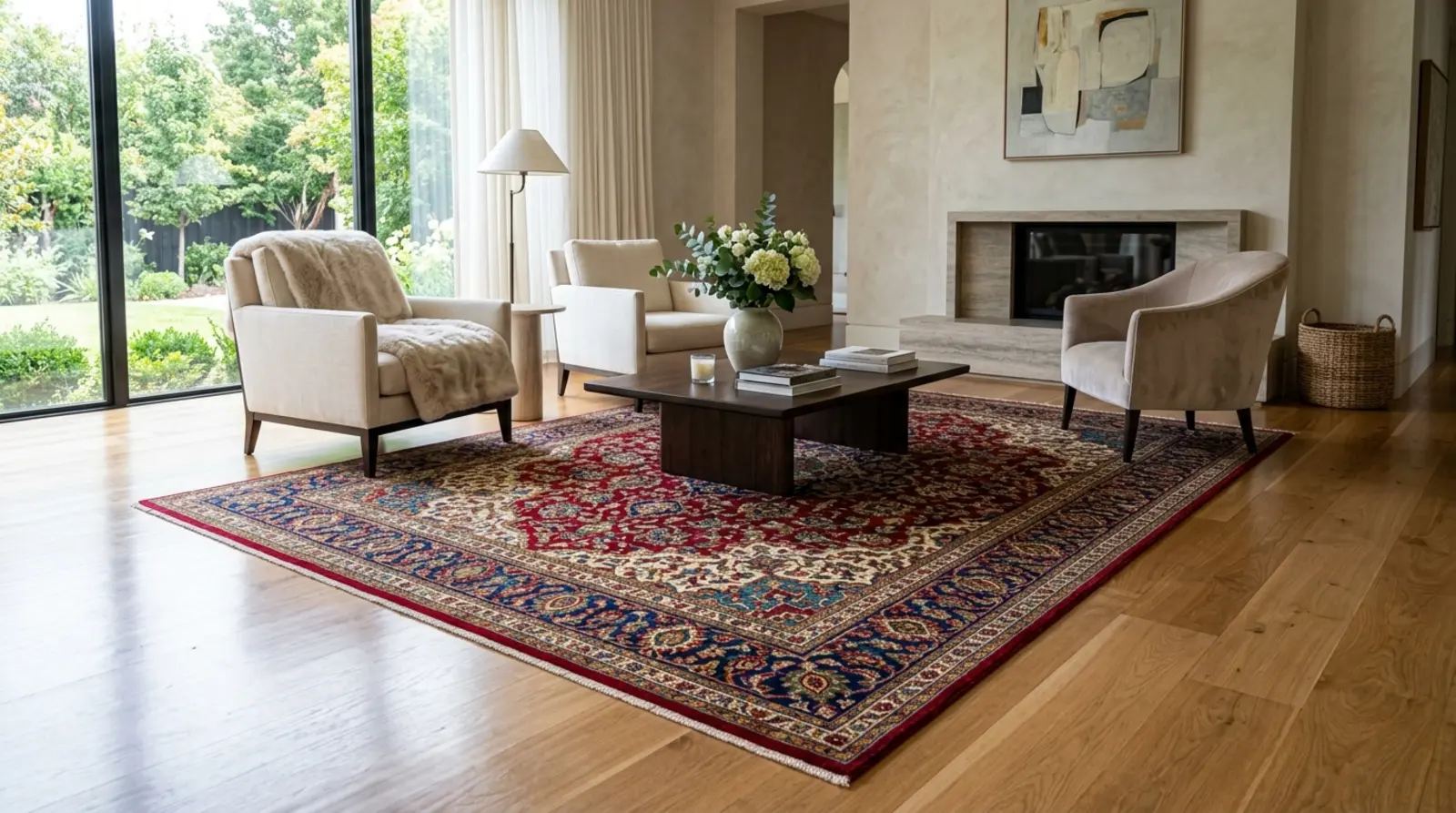
A rug takes more punishment per square metre than any other floor covering in the house, because everyone walks the same path across it and there is nothing under it to absorb the impact. Grit works down to the base of the pile and cuts the fibres from below every time someone crosses it, which is why a neglected rug goes thin along one line rather than wearing evenly. On top of that sits whatever has been spilled, and underneath sits whatever fell through, which is usually more than people expect.
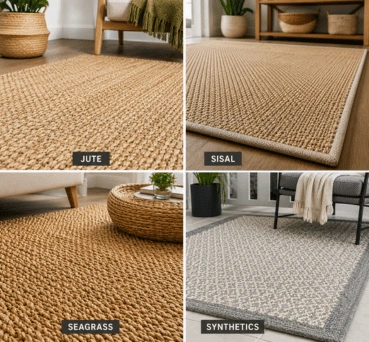
What we do to it is decided entirely by what it is made of, and that is not always what the label says. Knowing the difference by hand and by test is the whole of the expertise here. Wool wants controlled moisture and wool-safe chemistry, because the wrong pH strips the lanolin that makes wool resist soiling in the first place. Viscose, which is sold as art silk and behaves nothing like silk, discolours and goes stiff at moisture levels that wool would not notice. Jute and sisal shrink and yellow if you wet them properly, so they get a dry method. Synthetics are the forgiving ones and take full extraction happily.
The steps people do not expect are the ones before and after the wash. Dry soil removal comes first and does more of the work than the cleaning does, because water turns loose grit into mud. Every rug is dye-tested at the fringe and in the field before anything is applied, since hand-knotted and older pieces frequently bleed. And the drying is controlled and flat, because a rug dried unevenly cups at the edges and never quite lies right again. A rug left damp is also a real health hazard rather than just a cosmetic one — mould establishes in a backing within days, and the smell that follows is the least of the problem.