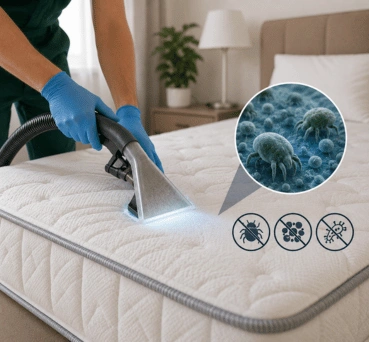
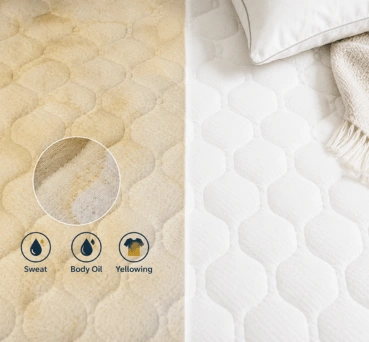
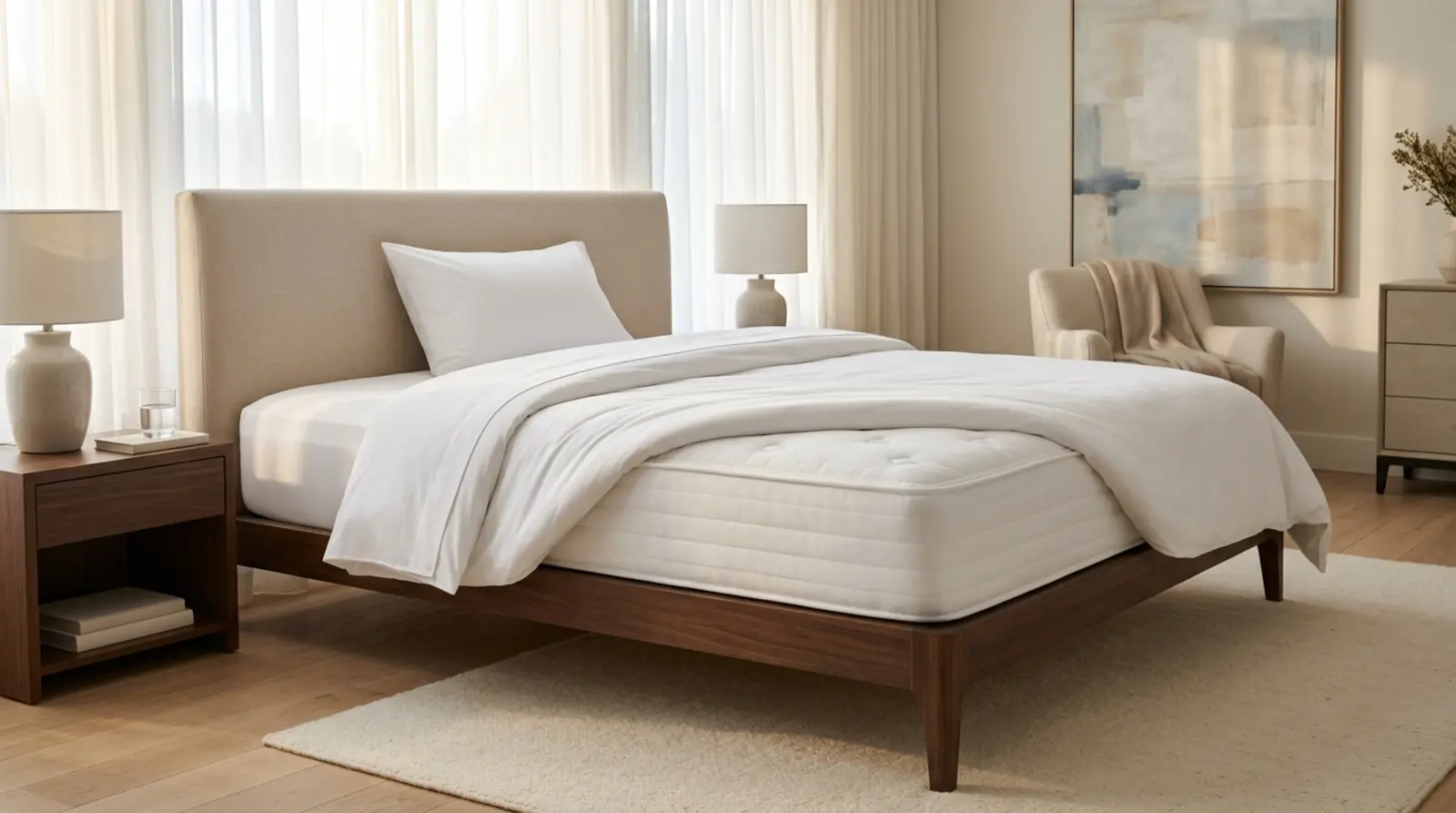
A mattress absorbs roughly half a litre of moisture a night in the form of sweat, along with skin cells, body oils and whatever comes off the sheets. None of that stays on the surface. It works down into the quilting and the top layers of foam, where it becomes both the food supply for dust mites and the reason an older mattress smells faintly sour when you strip it. Washing the sheets deals with the sheets. It does nothing about the layer underneath them, and the dust mite colony living there is a genuine health hazard rather than a housekeeping detail — for an asthmatic it is the single largest allergen source in the house.
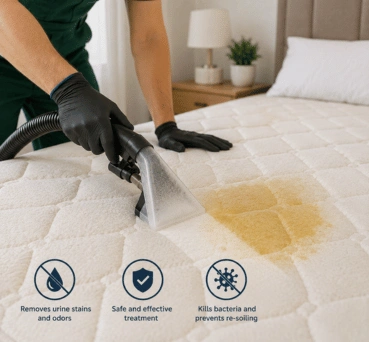
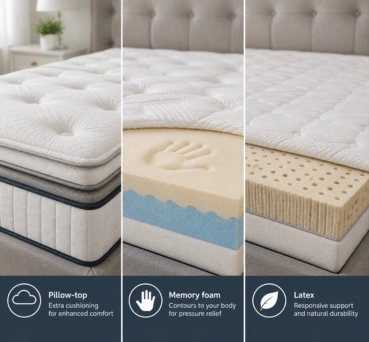
The method is chosen from what the mattress is made of, and knowing which is which is most of the expertise in this trade. Sprung and quilted mattresses take hot water extraction, which is what actually removes contamination rather than moving it around: the surface is HEPA-vacuumed first, marks and odour areas are treated individually, then the mattress is cleaned and the moisture drawn straight back out under vacuum. Memory foam and latex are a different case, because saturating open-cell foam is the one thing you must not do, so those get a low-moisture method with controlled dwell time instead.
The parts people do not expect are the sides, the seams and the base. Piping and side panels hold more skin and oil than the top face, dust mites concentrate in the seams because that is where the debris collects, and the underside is often the mouldy one on a bed with a solid base and no airflow. All of it gets done by an experienced technician, and we finish with a sanitising pass and enough air movement that you can make the bed up the same evening. Book a morning slot and the bedroom is normal by bedtime.