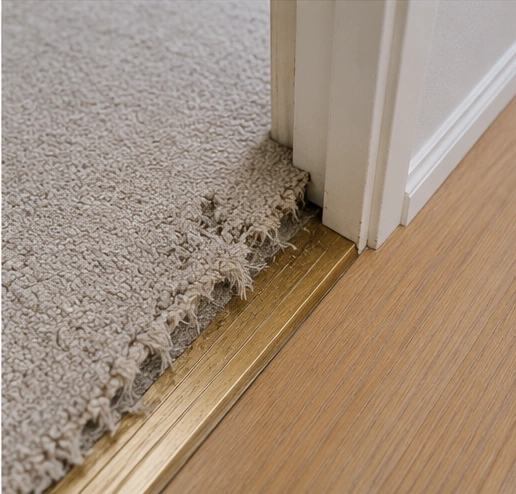
Carpet almost never wears out evenly. What fails is a spot: a cigarette or iron burn, a tear at a doorway, a seam that has opened along a hallway, a patch the dog has worked at, or a bleach mark that no amount of cleaning will bring back. The rest of the floor is often fine, which is why replacing the whole room is usually the expensive answer to a small problem.
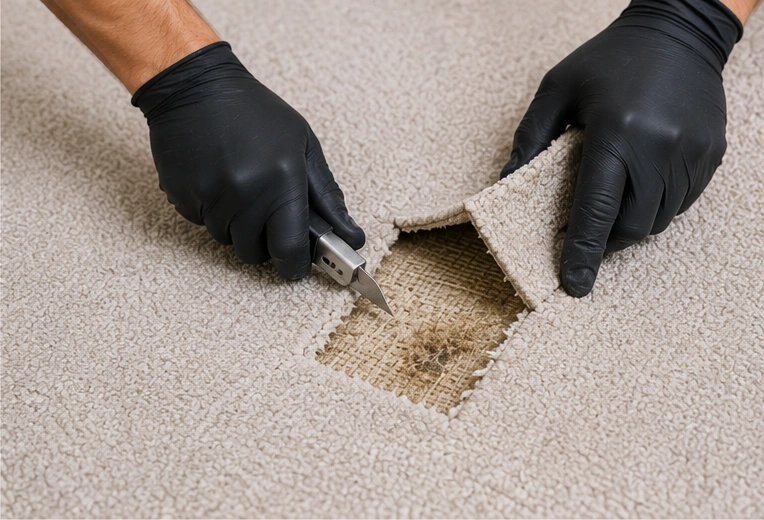
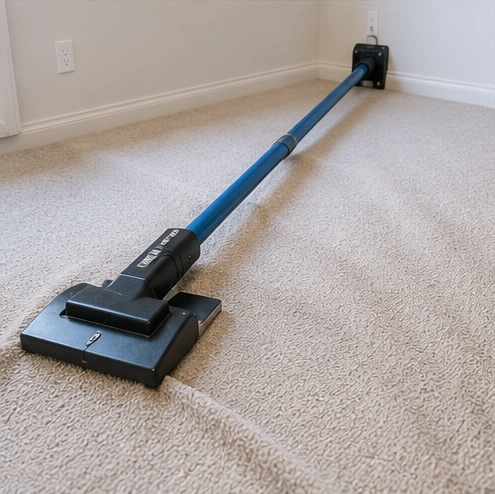
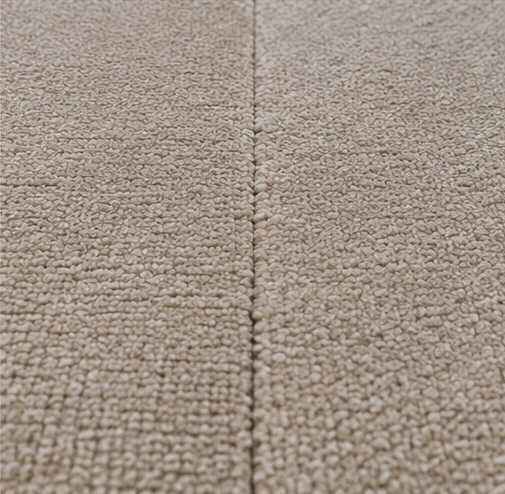
The method depends on what failed, and telling one from the other at a glance is where the experience shows. Damage that goes through the fibre is cut out and patched with matching carpet, taken from a wardrobe floor, under a bed or an offcut if you kept one, and bonded underneath so there is nothing sitting proud of the surface. Carpet that has gone wavy or rippled is not damaged at all: it has relaxed off the gripper, and it needs power-stretching back onto the tack strip rather than a patch. Seams that have opened are re-joined with heat-bond tape and the edges are re-secured so they do not lift again.
The part people do not expect is how much of the result is in the donor piece. This is where an expert eye is the whole job. A patch cut without regard to pile direction catches the light differently from the carpet around it and will always be visible, no matter how good the join is. We take the donor from somewhere hidden, match the direction and the pattern repeat, and set it flush. Where there is no donor carpet available anywhere in the house, a knowledgeable technician says so up front rather than fitting something close and hoping. Send a photo with your enquiry and we can usually tell you before we arrive.